
Sleep Apnea Diagnosis: Tests, AHI and Next Steps
Often, in consultation with patients who have not been aware of this, have lived for years with fragmented, non-repairing sleep. It is often only after repeated chronic fatigue, difficulty in concentration, or abnormally high blood pressure that the question arises: do you suffer from sleep apnea?
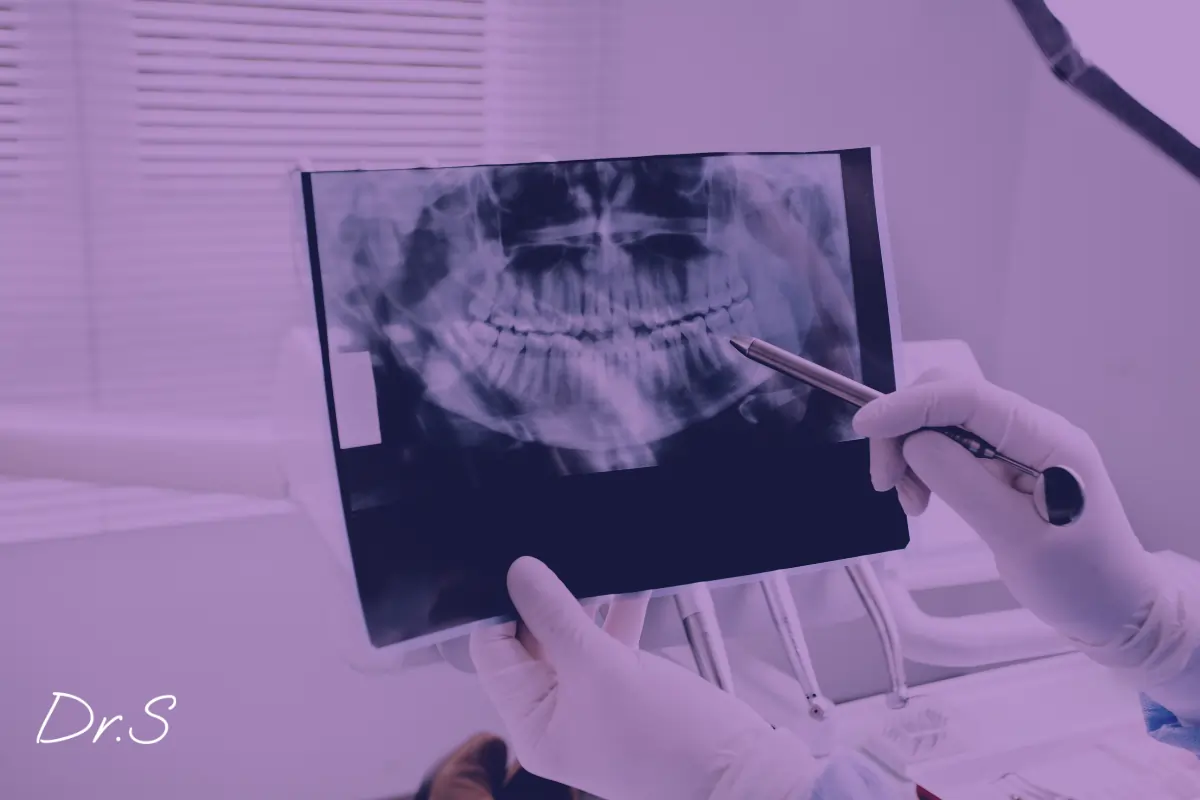
I am Dr. Solène Vo Quang, an oral surgeon in Paris in the 16th arrondissement. In my practice, sleep apnea diagnosis is part of the steps that I approach rigorously, cautiously and above all, with you. Because early detection of this disorder can avoid significant complications, including your cardiovascular, mental and oral health.
What is sleep apnea and why should it be diagnosed?
Definition and forms of sleep apnea
Sleep apnea refers to involuntary respiratory breaks during sleep. These interruptions can last from 10 to several tens of seconds, sometimes occurring hundreds of times per night.
There are two main forms: obstructive apnea, the most frequent, resulting from the release of the throat tissue blocking the passage of air; and central apnea, rarer, related to a defect in the signal sent by the brain to the respiratory muscles. In most cases, patients have a mixed, predominantly obstructive form.
Impact on overall and oral health
Untreated, apnea can cause many complications. Overall, the best known are high blood pressure, heart rate disorders, an increased risk of stroke, or cognitive disorders such as decreased memory and attention.
On the oral level, it can be associated with certain pathologies such as bruxism (greasing of teeth) or promote oral dryness, gingival inflammation and even joint pain in the jaw. Hence the importance of rigorous screening as soon as evocative signs appear.
Recognize signs of sleep apnea alert
Common symptoms and associated disorders
Patients often describe noisy snoring, sometimes interrupted by silences followed by sudden respiration. Daytime sleepiness is another key indicator, but it often goes unnoticed or is trivialized.
Some suggest frequent waking, night palpitations, morning headaches or mood disorders. In addition to this, there may be problems with concentration or a decrease in vigilance, especially when driving.
Risk profiles and aggravating factors
Sleep apnea is particularly relevant for men over 40 years of age, overweight or with a broad neck, but also those with a family history. Smoking, alcohol, certain sedative treatments or chronic nasal congestion can make the situation worse.
In women, symptoms are sometimes less typical, which can delay diagnosis. It is therefore important to adopt an adjusted listening, without prejudice to gender or age.
How is a sleep apnea diagnosis going?
Polysomnography and ventilatory home sleep study
The diagnosis is based primarily on an assessment of sleep. Two tests are most commonly used. Polysomnography is the reference examination. Made in specialized centres, it records several parameters during the night: breathing, movements, oxygen saturation, brain activity.
More accessible, ventilatory home sleep study can be done at home. It mainly measures respiratory flow, chest forces and saturation, to detect obstructive sleep disorders.
I often tell my patients: to make a good diagnosis of sleep apnea is to pave the way for concrete solutions to breathe better, and live better.
Severity indices: AHI and Epworth test
The severity of the syndrome is assessed using the hypopnoea index (HAI), which measures the number of respiratory events per hour of sleep. A HAI greater than 5 is abnormal, but therapeutic decisions also depend on experienced symptoms.
The Epworth test is a simple questionnaire to estimate the level of daytime sleepiness. I propose it systematically as a first intention: it enlightens the subjectivity of the patient and enriches our overall understanding.
Diagnosis by an oral surgeon: a privileged expert
Role of oral surgeon in detection of apnea
What strikes me is how much the oro-maxillo-facial structure plays an unknown role in sleep apnea. As an oral surgeon, I examine precisely the elements that can obstruct the airways: large tongue, narrow palate, retrognathia (remote jaw), hypertrophy of soft tissue.
This specific expertise makes it possible to identify signs that other specialties do not always see from the outset. It then directs a personalized support, sometimes in connection with oral devices.
Why choose an oral surgeon instead of another specialist?
Some sleep disorders have a very marked oral-facial anchor. The oral surgeon is the best diagnostic specialist in these cases, as it links the mouth's anatomy, the posture of the tongue and the dynamics of night breathing.
We are also working on concrete solutions such as mandibular advanced orthotics, but their proper use requires a rigorous examination of joint forces and muscle balances. That's where my approach makes sense.
What is the typical path for the patient?
Initial consultation and preliminary reviews
During the first consultation, I take the time to listen to your experience: sleep, night alarms, persistent fatigue. Then he examines the entire bucco-facial sphere, observing the tongue, the palate, the temporo-mandibular joints.
We complete the evaluation with questionnaires like the Epworth test, and if necessary, I will direct you to a sleep recording for confirmation of diagnosis.
Networking with ENT, pneumonologist and dentist
No specialist can do everything alone. I work regularly with ENTs, pneumonologists, dentists and sometimes even speech therapists. Depending on the type and your profile, each actor provides the necessary complementary lighting.
This team work makes it possible to build a coordinated course, respecting your overall situation and your preferences. Tomorrow's health will not be built into silo. We need to build bridges.
What are the options after diagnosis?
Mandibular Advance Orthotic (MAO): oral-dentary solution
For mild to moderate apnea forms, or for patients not tolerant of night ventilation, OAM is a serious alternative. It repositions the jaw forward, increasing the volume of the posterior respiratory space.
In practice, I perform a fine analysis of joints, musculature and dental friction before any prescription. This technical caution ensures the safety and efficacy of the apparatus. The High Health Authority shall clearly specify the information.
Other solutions: CPAP, surgery, change of habits
In some patients, especially those with high HAI, continuous positive pressure (CPP) remains the first-line treatment. Other, rarer, cases involve surgical or orthodontic orientation.
Finally, I systematically recommend work on sleep hygiene: regular bedtime, weight loss if necessary, smoking cessation, alcohol limitation and postural repositioning. These simple actions support specific treatments in a sustainable manner.
How much is the diagnosis of sleep apnea and what are the aids?
Average prices for sleep tests
Sleep tests can cost between 120 and 400 euros depending on whether they are in the centre or at home. Some centres charge more depending on the complexity of analysis or equipment used.
I help you in these steps by directing you towards recognized structures with tools adapted to your situation.
Social security and supplementary care
These examinations are often covered by the Sickness Insurance, on prescription, especially if they are carried out in hospital or in the approved sleep centre. Mutuals can complete all or part of the rest of the charge.
In case of indication of orthosis, refunds are possible according to the procedures laid down by the HAS. It is essential to discuss these aspects from the outset.
Diagnosis of sleep apnea in children: what to know
Symptoms and consequences in children
Paediatric apnea has sometimes atypical signs: difficulty concentrating, agitation, weak sleepiness, learning disorders or stunting.
It can impact the quality of life of the child as well as that of the family. The causes are often related to overdeveloped vegetation, poor lingual posture or dentomaxillary abnormalities that need careful analysis.
Which exams and specialists to consult?
In children, a paediatric ORL is often the first contact. The role of the oral surgeon here makes sense, by detecting early oro-facial imbalances during growth.
I also collaborate with speech therapists, sometimes pediatric pneumonologists, to offer comprehensive care, respecting the development of each child.
Conclusion
Depicting sleep apnea is much more than putting a name on a disorder. It's opening up a path of care that concerns you as a whole. One sleep apnea diagnosis early, carried by the right specialist, can really transform your quality of life.
As an oral surgeon, I undertake to make this diagnosis with precision, caution and care. The relationship of trust, listening and informed choices remain at the heart of this process.
Patient-centred surgery in Paris

I am Dr Solène Vo Quang.
Every day, I explore what AI can bring to care, while remembering that the relationship with each patient remains our first therapeutic tool.
I provide care with rigour and transparency.



FAQ :
Diagnosis of sleep apnea
Answer your questions
How can bruxism orient a diagnosis of sleep?

When it is nocturnal, associated with non-repairing sleep, bruxism can translate micro-awakenings due to unperceived apnea.
Does the AHI index alone suffice to establish a reliable diagnosis of sleep apnea?
IHA is a useful benchmark, but diagnosis also considers the symptoms, medical context and type of apnea observed.
Does a high Epworth test always involve an apnea to treat?
No. Daytime sleepiness may indicate other disorders. The test guides but never replaces sleep tests.
Why is it sometimes associated with dental scanners and diagnostics?
In case of suspicion of anatomical obstacle, 3D imaging of the facial mass can illuminate the cause and refine the indication of orthosis.