
Bruxism: Myth or Miracle Cure?
Many patients come to see me hoping to find a simple, even immediate, solution to relieve the pain caused by teeth grinding. The idea of a “miracle cure for bruxism” often comes up in conversation, especially when discomfort becomes chronic and affects sleep or quality of life. But this understandable expectation deserves to be addressed with honesty and rigour.
I am Dr Solène Vo Quang, an oral surgeon in Paris specialising in conditions of the mouth, including bruxism. At my practice in the heart of the 16th arrondissement, a stone’s throw from Porte Dauphine, I see younger and older adults who describe an invisible yet persistent pressure, often at night, sometimes unconsciously, and sometimes so forceful that it wears down the teeth or prevents sleep.
Understanding bruxism and its daily impact
Recognising the symptoms of bruxism
Bruxism is the involuntary movement of the jaws, particularly clenching or grinding the teeth, most often during sleep. Some people become aware of it because a partner mentions it. Others come to me because of morning jaw pain, neck tension, or even unexplained headaches.
Premature tooth wear, unexplained cracks or increased sensitivity can also be warning signs. What may sometimes be perceived as a simple “sleep habit” can have deeper consequences.
Consequences for oral health and sleep
At my practice, I see the long-term effects of unrecognised bruxism. Teeth become damaged and the temporomandibular joints become more vulnerable. Some people develop chronic pain that disrupts daily life.
Above all, sleep quality suffers. Fragmented, less restorative sleep can create a vicious circle, because fatigue increases tension and promotes episodes of nocturnal bruxism.
Why is the promise of a miracle cure for bruxism so appealing?
The origins of the myth of instant remedies
When discomfort persists without an obvious cause, it is tempting to believe in an exclusive method or a definitive solution. This is all the more true because bruxism sometimes affects young, active people who are eager to “move on”.
The image of a quick remedy or a miraculous device promoted online feeds these expectations. Yet the reality is more complex, because bruxism often lies at the intersection of stress, posture, sleep and oral health.
The pitfalls of simplistic approaches
I caution my patients against generic devices sold without medical advice or videos promising a “cure in 7 days”. These solutions overlook not only the multifactorial origins of bruxism but also the risks associated with inappropriate management.
The danger is twofold: masking real distress without treating it in depth, and losing valuable time before considering an effective strategy tailored to your personal situation.
What conventional treatments are available for bruxism?
Protecting the teeth: night guards and appliances
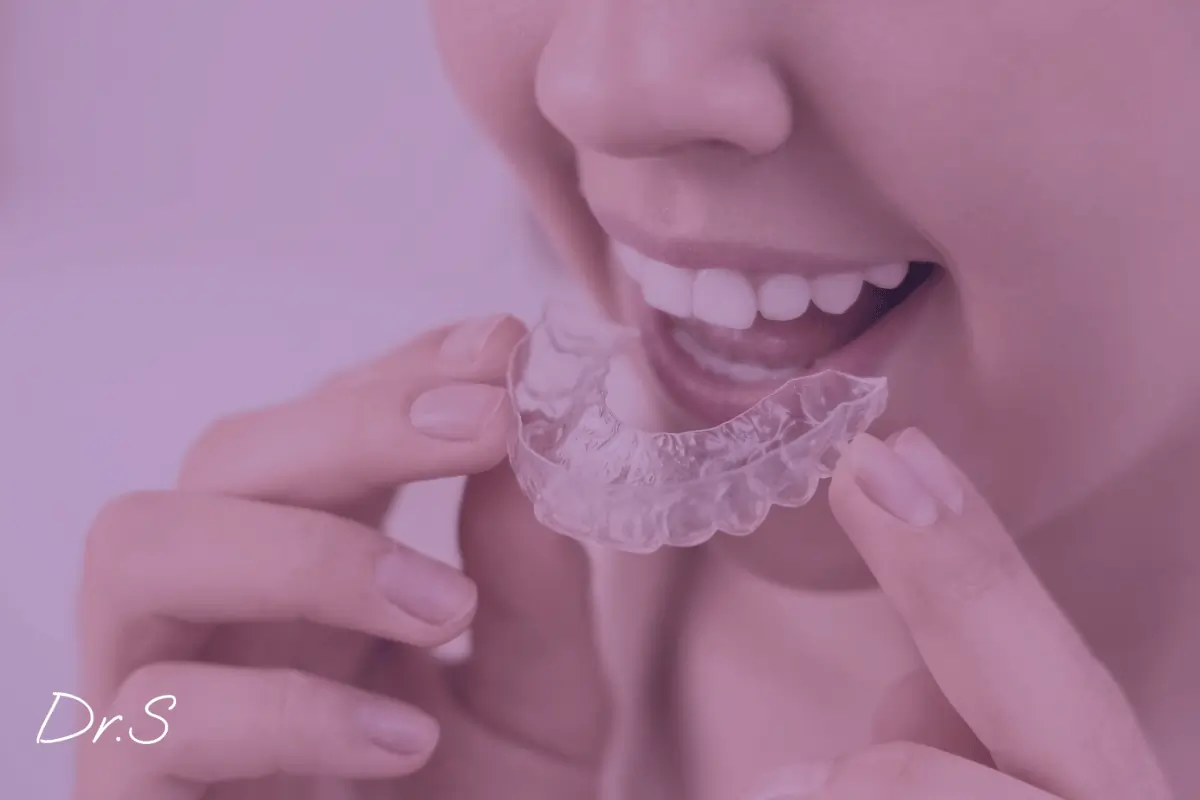
The first step in treating bruxism often consists of protecting the teeth. At my practice, I prescribe a custom-made occlusal splint, made from a digital impression. It helps prevent mechanical wear in cases of nocturnal clenching.
Depending on the case, a different appliance may be considered, better suited to certain joint or postural disorders. These devices do not treat the cause, but they limit its consequences.
Treating the muscular cause: muscle relaxants or botulinum toxin
In some situations, targeted pharmacological approaches may be considered: a temporary muscle relaxant or, under appropriate supervision, an injection of botulinum toxin into the masticatory muscles.
Although technically effective in reducing contractions, this latter option should always be discussed with caution. It is not suitable for every profile or every clinical context.
In my practice, I always insist on a full assessment before any prescription, to understand what each patient is really experiencing.
Natural and complementary approaches to relieving bruxism
Hypnosis, osteopathy and alternative care
Many patients ask me whether gentler or natural alternatives exist. My answer is yes, provided that these approaches are integrated into a care pathway led by a health professional.
I have seen patients benefit from osteopathic work, particularly for neck tension or jaw posture. Hypnosis or sophrology can also soothe anxiety, reduce the frequency of nocturnal episodes and restore a sense of control.
Managing stress: breathing, relaxation and biofeedback
Stress plays a central role in bruxism. Talking about it is not a judgement, but a clinical fact. In this context, I often direct my patients towards relaxation techniques, mindful breathing or jaw biofeedback.
These tools make it possible to create a link between sensation and action, and to identify moments of tension. Some simple, non-invasive devices help visualise contractions in order to release them more effectively.
Towards a truly effective method: personalising management
Carrying out a comprehensive assessment
What strikes me is how often bruxism reflects an accumulation of imbalances: mental load, disrupted sleep, responsibilities and postural tension. This is why it is essential to carry out a comprehensive assessment.
In my approach, I take into account emotional factors, dental history, sleep habits, posture and sometimes a history of trauma. This combined perspective helps avoid false leads.
Creating an appropriate multidisciplinary protocol
There is no single method that works for everyone. Some patients benefit from follow-up in sleep medicine, others from physiotherapy, and sometimes from psychological support. My role is to identify what would be most relevant for you.
I regularly work with trusted professionals to co-build an integrated solution, without rushing, but with a clear aim: to provide lasting relief from the impact of bruxism on your daily life.
Avoiding false promises: choosing the right solution for bruxism
Recognising warning signs
I invite you to remain vigilant when faced with overly simple messages. A product that is “100% effective without effort”, or a ready-made solution offered without any personalised assessment, are typical warning signs.
No prefabricated night guard or miracle method can alone resolve a disorder that is so multidimensional. Caution is a means of protection.
Choosing a scientifically grounded treatment
To treat bruxism, an approach based on clinical evidence remains the most reliable. This does not exclude alternative methods, but it requires integrating them into a coherent medical pathway.
As a doctor, my commitment is to ensure that every intervention is based on a detailed assessment, defined objectives and long-term follow-up. Only under these conditions can observed improvements become lasting.
Artificial intelligence to detect and monitor bruxism
Night-time sensors and connected devices
Recently, the rise of artificial intelligence has opened new avenues for identifying episodes of bruxism during the night. Some sensors are placed near the teeth or within a discreet device and record jaw movements.
These data make it possible to better understand the timing, intensity and frequency of episodes. They complement clinical observations effectively and can guide treatment adjustments.
Long-term analysis of jaw tension
What I find particularly interesting is the possibility of monitoring how tension changes over several weeks. This makes it possible to objectify progress, adjust the direction of a protocol if necessary, or add a new component (for example, support through behavioural therapy).
This does not replace listening or clinical examination. But when used appropriately, these tools can strengthen the coherence of the care pathway, provided they are integrated with restraint and with people always at the centre.
Bruxism does not disappear by magic. It is not treated with a miracle cure, but through serious, gradual management centred on your history and needs. This journey requires patience and precision, but it often brings lasting relief.
Patient-centred surgery in Paris
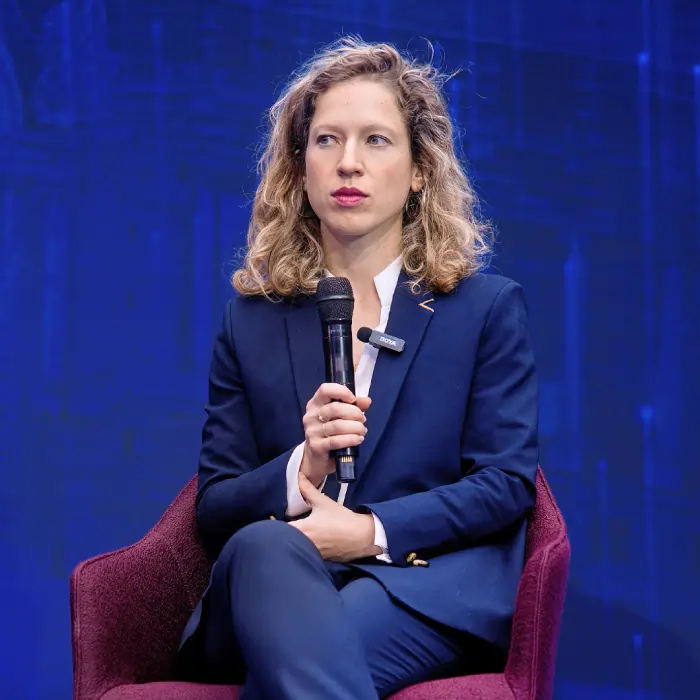
I am Dr Solène Vo Quang.
Every day, I explore what AI can bring to care, while remembering that the relationship with each patient remains our first therapeutic tool.
I provide care with rigour and transparency.



FAQ:
Miracle cure for bruxism
Your questions answered
Is there a miracle cure for bruxism without a prior diagnosis?

Without a full assessment, calling something a miracle cure is misleading. Any effective treatment begins with listening and an individualised assessment.
Is wearing a night guard enough to “cure” bruxism?
A night guard protects the teeth but does not treat the cause. It can provide relief, but cannot by itself resolve the complexity of bruxism.
Why do some people still believe in a quick cure for bruxism?
When faced with fatigue or pain, the appeal of an easy path is human. But bruxism rarely stems from a single cause that can be resolved quickly.
Can a mobile app really detect or treat bruxism?
Some apps provide useful indications, but they never replace a rigorous medical diagnosis and comprehensive management.