
Dry Socket and Normal Healing After a Tooth Extraction
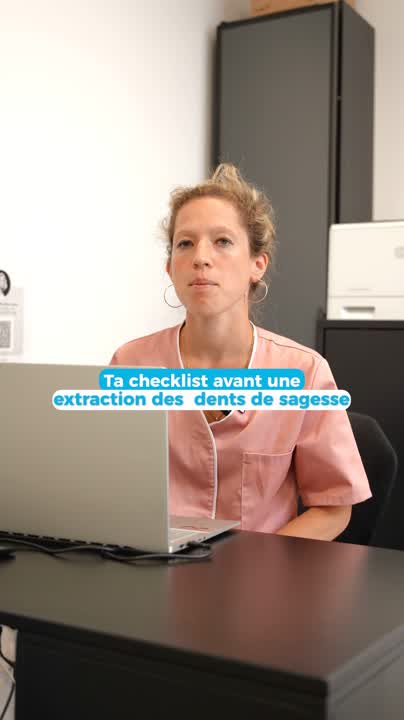
In this video series, I support my patients as they prepare for surgery.

Day 1
First day of preparation for wisdom tooth surgery. Identify your fears (pain, anaesthesia, post-operative recovery), watch explanatory videos from surgeons, and talk to someone who has already undergone the procedure for reassurance.
Day 2
Second day of preparation: drink 1.5 litres of water each day, make a list of soft, cold meals (purées, smoothies, ice cream), buy ice packs at the pharmacy, and create a comfortable space with cushions so that you can keep your head elevated after the procedure.

Day 3
On the third day,the day before the procedure,have a balanced, filling meal; prepare comfortable clothes without makeup or lipstick (avoid a white T-shirt); set your alarm to arrive 10 minutes early; and buy your prescribed medication.
Day 4
On the fourth day, the morning of the procedure: wake up calmly, have a filling breakfast (toast, butter, jam and a hot drink), take your prescribed medication, listen to a relaxing playlist on the way, and arrive 10 minutes early.


Day 5
On the fifth day, the day after the procedure: continue taking your prescribed medication, apply ice to your cheek, do not rinse your mouth vigorously, eat soft, cold foods (ice cream, smoothies and lukewarm purées), and avoid long conversations and important meetings.
Day 6
On the sixth day, two days after the procedure: start using mouthwash (continue for one week), continue a soft, cold diet for two days, observe the gradual reduction in cheek swelling, and note how your pain changes each day. The first three days are generally the most painful.
Our post-operative care guides
Every question has its own page. Find the one that matches yours.
BOOK AN APPOINTMENT
Book an appointment with a stomatologist in Paris
A stomatologist assesses conditions that may require specialist care, including oral surgery, lesions of the mouth or tongue, sleep apnoea and complex wisdom teeth. This first consultation helps establish what is happening and discuss the next steps before any treatment decision.
We listen to you
Tell us about your pain, discomfort, concerns about a lesion or difficulty sleeping. You can raise any question during the consultation.
We examine the problem
A clinical examination, with imaging if needed, helps assess your situation.
A clear plan to take home
You leave with an explanation of the findings and, where appropriate, a treatment plan and written estimate. You can take time to consider the proposed care.
Choose an appointment
Appointments via Doctolib