
Wisdom Tooth Extraction Healing Timeline: Day by Day
You just pulled out a wisdom tooth and wondered how to heal well. This guide explains the steps of healing, the right actions to take and the signs that must alert you. Follow Dr. Solene's advice for safe recovery.
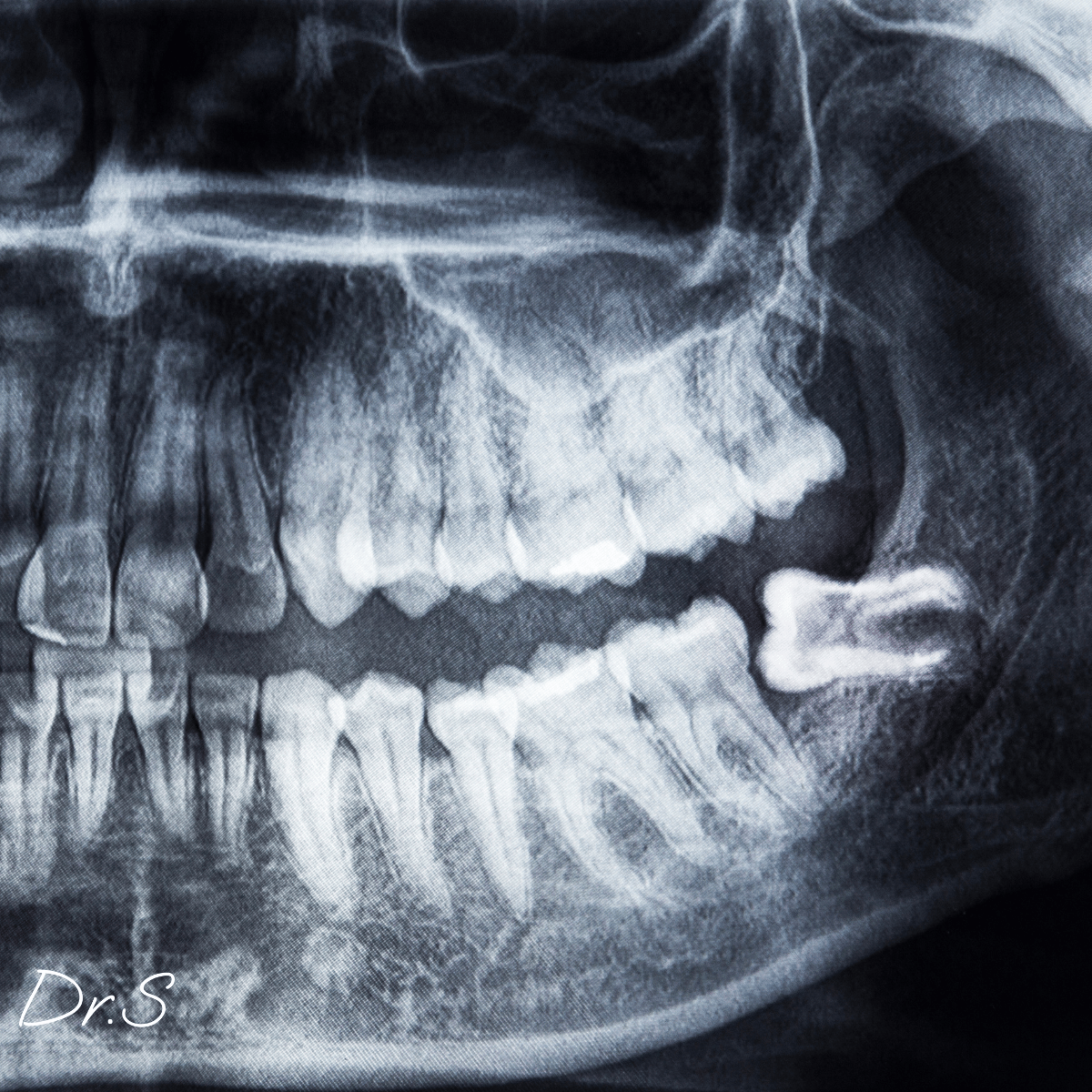
Cicatrization wisdom tooth: the right gestures to heal well
The healing wisdom tooth depends first and foremost on the care provided after surgery. A few days are often enough to recover, provided that good practices are followed. Here's what you need to know to promote quick healing and avoid complications.
What to expect after the wisdom tooth removal
Why this intervention is frequent
The wisdom tooth removal is one of the most common dental surgery. These teeth usually appear between 17 and 25 years of age. Poorly positioned or included, they can cause pain, infections or move other teeth.
Pain, swelling and other normal effects
Just after surgery, it is normal to feel an discomfort. Moderate pain, swelling of cheeks and difficulty opening the mouth are part of the healing process. These symptoms gradually disappear between 3 and 10 days depending on the case.
How long does healing last?
Average times as appropriate
The healing wisdom tooth averaged one week. For a tooth extracted without complication, pain decreases in 3 to 4 days. If the tooth was included or if there was a stitch, healing can extend up to 10 days.
Slow Cicatrization: when to worry
If swelling does not decrease after 3 days or if pain increases after 5 days, it is best to consult. A healing that drags may indicate infection, alveolite or a blood clot problem.
How to promote good healing
Rest and hygiene
Stay calm for the first 24 hours. Avoid intense physical activity. For hygiene, brush your teeth gently and rinse your mouth with salt water from the second day, without ever spitting violently.
Food to be preferred
An appropriate diet is essential for healing. Recommended foods are:
- Warm soup
- Nature yogurt
- Apple sauce
- Vegetable puree
- Frozen eggs
Avoid hot, acidic or spicy dishes during the first days. Chew on the other side and drink plenty, without using straw.
What must be avoided
To avoid disturbing the healing wisdom toothAvoid:
- Tobacco, which delays healing
- Alcohol, especially in mouthwash
- Aggressive mouthbaths in the first days
- Sucking or sucking a wound
The special case of alveolite
Symptoms
The alveolite occurs when the blood clot does not form or is expelled too early. This leaves the bone naked, causing intense pain, often stronger than just after surgery. A bad breath can also be present.
Possible treatments
Consult without delay. The oral surgeon can apply a dressing in the alveole and prescribe local antiseptic treatment. The relief is often rapid, but the healing wisdom tooth stays longer in this case.
What about the famous hole in the gum?
What's normal
After extraction, a visible hollow may persist for several weeks. That's what patients call the hole. It naturally closes with the gum, provided the site remains clean and uninfected.
When to consult
If this hole does not appear to decrease after 3 weeks or smells unpleasant, consult as soon as possible. An infection can prevent normal wound closure. Localized monitoring is recommended in Paris if you are close to the 16th arrondissement.
Make an appointment with an oral surgeon in Paris
The office of Dr Solène, specializing in wisdom tooth removal, welcomes you at 7 rue Marbeau, 75016 Paris. If you experience abnormal pain, swelling that does not decrease or slow healing, do not wait.
Make an appointment directly on Doctolib via this link:
Access to the appointment
Conclusion
The healing wisdom tooth go through simple gestures: rest, adapted diet, gentle hygiene. Pay attention to unusual signs and do not hesitate to consult an oral surgeon in case of doubt. A serene healing begins with good information.