
Teeth Aching After Extraction: Swelling and Warning Signs
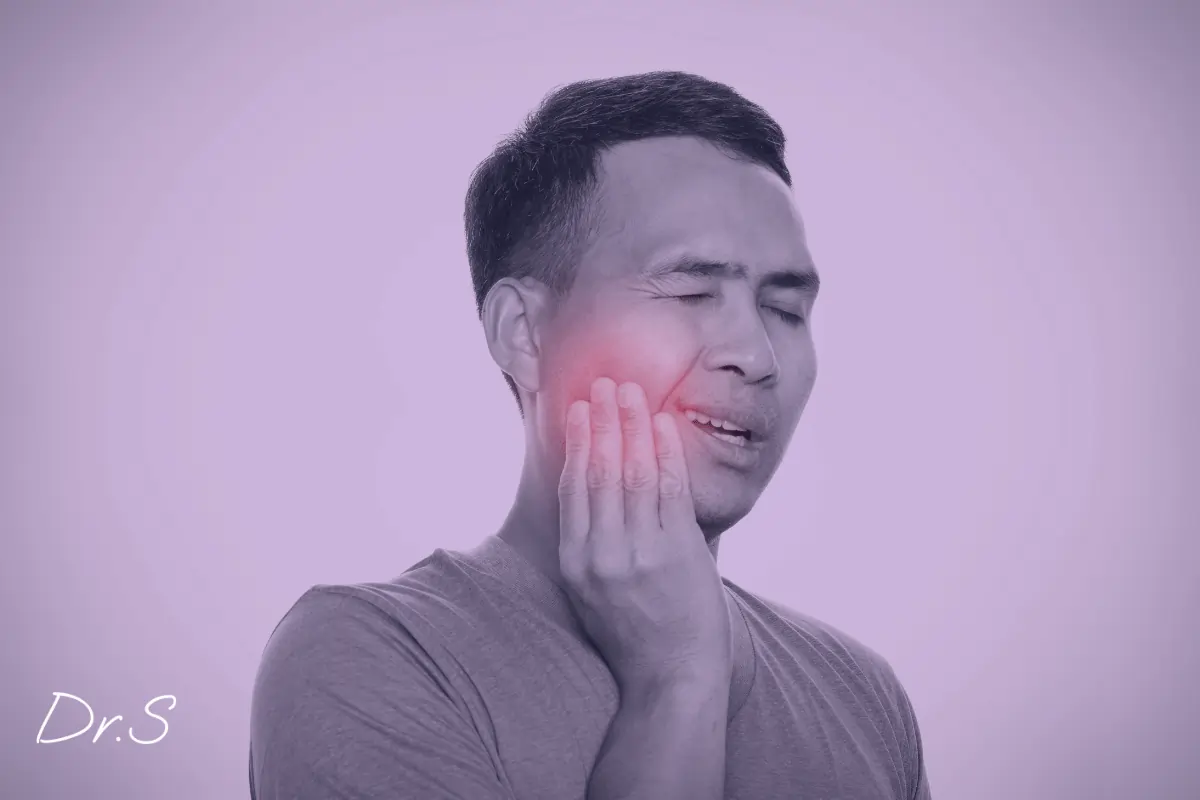
A young patient recently consulted for a painful cheek, a little swollen, and an discomfort that intensified by chewing. In examining his mouth, I immediately suspected a wisdom tooth in question. This picture is common: a swollen wisdom tooth may seem benign in the first days, but it may reveal more serious complications if it evolves without care.
I am Dr Solène Vo Quang, oral surgeon in Paris, specializing in oral pathologies, wisdom teeth, and complex diagnostics. My approach is part of a rigorous, humane medicine connected to useful innovation. When my patients come to me for swelling of the gum or cheek, the most important thing is to listen, examine accurately and understand the origin of the problem, before any therapeutic decision.
Why can a wisdom tooth swell?
Frequent causes of swelling
When the wisdom tooth has partially come out or remains included under the gum, it can cause local inflammation. This phenomenon has a name: pericoronarite. It is a benign infection in its early days, but can quickly evolve if it is not treated.
The gum that partially covers the tooth creates a kind of "poche" where bacteria and food debris can accumulate. To this can be added the mechanical pressure of a tooth that grows without sufficient space, causing pain and redness. In some situations, the semi-included wisdom tooth can also hurt the nearby cheek or tooth, nourishing inflammation.
Factors that promote inflammation
Some elements predispose to swelling. Insufficient oral hygiene in this difficult area promotes the appearance of bacteria. Immune stress, transient fatigue or an imbalance in oral flora can also decrease your ability to contain a new infection.
It is often observed that eating habits or smoking also exacerbate the phenomenon. By accumulating residues in the gingival pocket, they create a favorable ground for painful thrust.
Recognize symptoms of swollen wisdom tooth
How to differentiate a simple irritation from an infection
It is normal to experience discomfort during dental growth, especially if the tooth grows against other oral structures. But when pain becomes pulsatile, the gum is very red or a visible pus flows, it is no longer a simple irritation.
Fever, difficulties in opening mouth (trismus) or swallowing are also signs of alerting. This type of table requires a medical look to avoid an evolution towards deep infection.
In my practice, I notice that the first signs of dental abscess are often trivialized. It is better to consult when swelling occurs.
Swelling of wisdom: when should we consult urgently?
Signs that must alert
If swelling is significant, spread to the cheek, if it is accompanied by fever or local heat, action should be taken quickly. A pain that irradiates to the ear, the lower jaw or causes discomfort to swallow is another strong sign.
Reduced mouth opening or respiratory discomfort, although rare, should lead immediately to a specialized assessment.
Possible complications in the absence of treatment
Abscess is the most common complication of an untreated swollen wisdom tooth. It can drain spontaneously into the mouth, but can also spread to the neck or reach deep facial spaces.
Another common complication is alveolite, a painful inflammation of underlying bone, often after extraction. Other times, infection can spread into the general circulation, although it remains rare.
What treatments for a swollen wisdom tooth?
Medicated and analgesic treatments
If the infection is localized and moderate, I usually prescribe a treatment combining a targeted antibiotic, an anti-inflammatory and antiseptic mouthwash. The choice of treatment depends on the exact nature of the bacteria and your overall health.
This treatment is often effective, but it remains a temporary measure. It aims to stabilize the situation so that it can then consider a more lasting, sometimes surgical, care.
Surgical extraction if necessary
The extraction of the wisdom tooth becomes indispensable if the episodes of swelling repeat or if the tooth remains inaccessible to conventional care. In this case, I make a complete assessment, often accompanied by 3D imaging, to plan an intervention in optimal safety conditions.
I always explain to my patients the different stages of the procedure, possible follow-up and precautions to be taken. The goal is to allow you an informed decision and a serene journey.
How to relieve the swelling of a wisdom tooth at home
Effective home remedies
Pending consultation, simple measures may be used. Applying an ice pocket to the cheek can help reduce swelling. The warm salted water mouth baths, made without forcing, relieve the gum and prevent bacteria from further proliferating.
However, avoid local applications of non-recommended products or recipes found on the internet that can irritate the mucous membrane more.
Precautions before consultation
It is best not to manipulate the area, even to clean it. Brushing can be maintained, gently and only after medical advice in case of severe pain.
I also recommend avoiding hot or very hard foods, as well as tobacco that prolongs healing time. The idea is not to aggravate the swelling of wisdom tooth by penalizing already weakened tissues.
Is it normal to have swelling after a tooth extraction of wisdom?
Classic post-operative swelling
Yes, light oedema after extraction is normal within two to three days of surgery. The maximum swelling usually occurs at J2 or J3, then decreases naturally.
This is a physiological inflammatory response, which is monitored on a case-by-case basis. Moderate pain, localized swelling and temporary limitation to open the mouth may be expected.
Tips for better recovery
I recommend that my patients use ice pockets in periods of ten to fifteen minutes in the first hours, avoid physical effort for 48 hours and give preference to a warm, soft and soothing diet.
Prescription mouthwashing should only begin after 24 hours, often with a solution adapted to your case. And if an unusual symptom appears, it's better to contact me again than wait.
Prevent swelling of a wisdom tooth
Adopt strict oral hygiene
Preventing remains the most serene strategy. Brush the back of the molars carefully, even in the absence of visible teeth. Some brush tips are designed to reach hard-to-reach corners.
Occasional mouth baths complete this gesture, especially during periods of fatigue or dental thrust. In case of doubt about your technique, I always take the time to discuss it in consultation.
Have his wisdom teeth monitored regularly
An annual check, sometimes accompanied by a dental panorama or 3D imaging, detects risk situations before swelling appears. This makes it possible to act preventively, and to avoid pain as much as emergencies.
I strive to propose personalized strategies, depending on your age, background and evolution of your teeth. There is no automatic solution, but a journey built together.
In case of inflated wisdom tooth, better consult early. This helps avoid a pain that settles down, and especially to contain oral infection before it spreads deeply. Listening, accurate evaluation and respecting your therapeutic rhythm are at the heart of my practice.
Patient-centred surgery in Paris

I am Dr Solène Vo Quang.
Every day, I explore what AI can bring to care, while remembering that the relationship with each patient remains our first therapeutic tool.
I provide care with rigour and transparency.



FAQ :
Swelling of Wisdom Teeth
Answer your questions
Can a swollen wisdom tooth hurt without getting infected?

Yes, swelling may be related to a dental thrust or local irritation without a clear bacterial infection.
Can stress or fatigue aggravate a swollen wisdom tooth?
Indirectly, yes. A decrease in immune defense may promote inflammation or delay resorption.
Can a wisdom tooth included swell without ever going out?
It happens. A cyst or inflammation of deep tissue can cause oedema, even without visible dental emergence.
What if swelling comes back after treatment?
Recidivism calls for re-evaluation of diagnosis