
Dental Bone Graft After Tooth Extraction: A Complete Guide
Preserving the bone after dental extraction is not always an immediate evidence. However, this is often a key step in ensuring healing and avoiding heavier reconstructions in the future.
I am Dr Solène Vo Quang, oral surgeon in Paris, at 7 rue Marbeau in the 16the. In my practice, I regularly perform dental extractions, including those of wisdom teeth, and carefully evaluate the need for a bone grafting after dental extraction. My approach anchors in listening, precision and a global vision of your oral health.
Why is bone grafting often necessary after dental extraction?
Preserving bone volume and avoiding post-extraction resorption
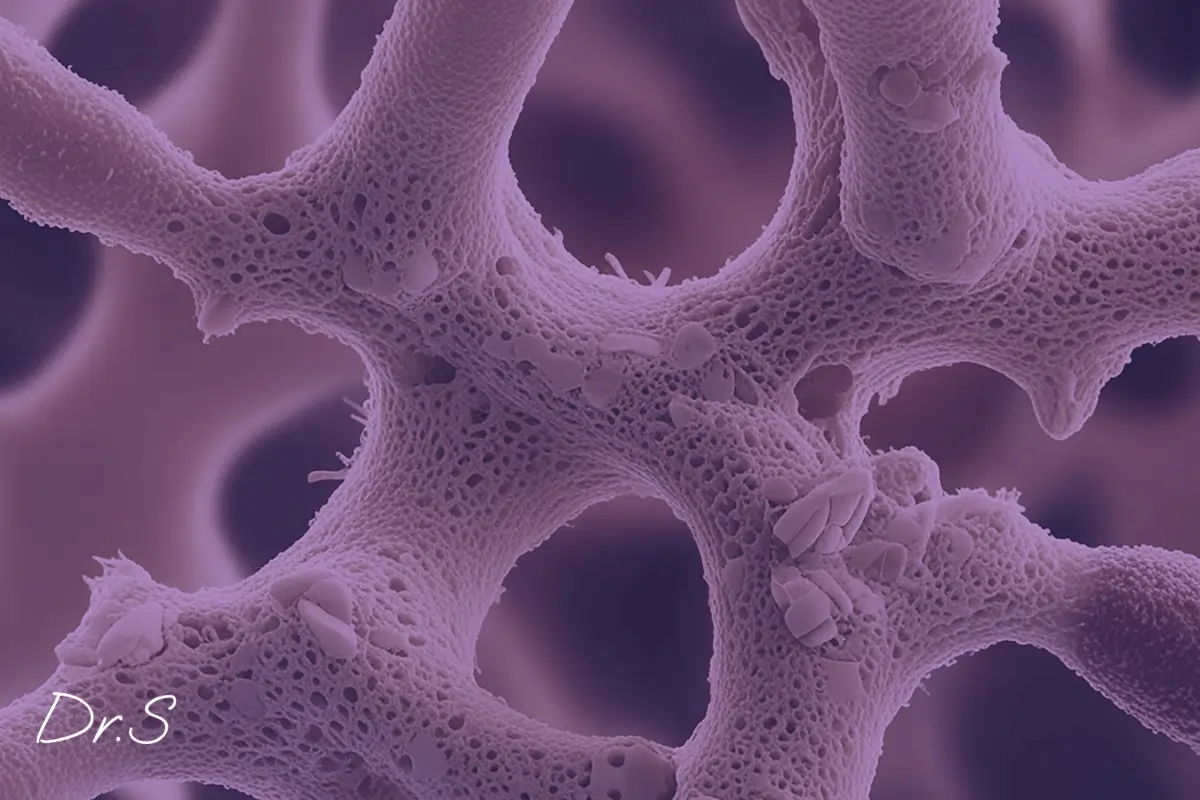
After the removal of a tooth, the alveolar bone that supported the root loses its function. It can then absorb naturally, sometimes significantly in just a few months. This bone loss can damage the aesthetics of the smile, change the position of the adjacent teeth or cause problems in the event of a prosthetic project.
Therefore, in some situations, I will propose an immediate or delayed bone transplant, depending on your terrain, to stabilize bone volume and facilitate tissue healing.
Prepare site for dental implant installation
When you consider replacing the extracted tooth with an implant, the condition of the bone becomes a determining criterion. bone grafting helps to maintain or rebuild a stable and sufficient base, avoiding more complex late reconstructions.
In this case, the lens is as functional as aesthetic, to ensure optimal integration of the implant into your bone skeleton and lasting results.
bone grafting techniques used in dental surgery
Autografts, allografts, xenografts: what differences?
There are several possible sources for bone transplantation. Lautograft uses a fragment of the bone taken from you, usually in the jaw itself. It is a reliable but more invasive option.
The Allografts from a human donor, treated and secured, while the xenografts based on materials from animal origin, such as cattle. Each option has advantages and limitations that we take the time to evaluate together.
Synthetic biomaterials and preservative membranes
In some cases, the use of fully synthetic and biocompatible alternative biomaterials may be sufficient. These materials support natural bone regrowth.
I often use, as indicated, alveolar preservation membrane, which isolates the graft during healing and directs the structural regeneration of the los.
wisdom tooth removal and bone grafting: special cases
When to consider filling after wisdom tooth removal
In a majority of cases,wisdom tooth removal does not require specific bone transplantation. However, some clinical situations deserve careful attention, especially when the extracted tooth was in direct contact with the maxillary sinus or very close to vulnerable adjacent teeth.
The objective here is to protect surrounding structures and prevent localized bone loss that could have consequences in the medium term.
Preserving alveoli in complex surgery
When wisdom teeth are included or difficult to access, surgery can lead to the removal of a significant amount of surrounding bones. It is in this type of situation that I sometimes propose a Targeted cellular filling.
This approach aims to preserve the natural bone relief and to limit tissue deformation, especially if a prosthesis is subsequently provided.
Bone fill protocol steps in dental practice
Pre-operative review: imaging and surgical plan
A good result depends first on a precise assessment. Before any intervention, I perform a complete clinical examination with 3D imaging (cone beam) to identify bone volumes and define the appropriate filling type.
This diagnostic time also allows to discuss together the expected benefits and possible alternatives, always in connection with your overall care journey.
Post-operative monitoring and bone healing
The healing period varies according to the technique used and your health profile, but it usually spreads over several months. Control visits are scheduled to ensure good bone development, without inflammatory complications or graft mobility.
In case of an abnormal reaction (persistent pain, prolonged swelling, unusual bleeding), I invite you to contact me without delay.
In oral surgery, preserving the bone after extraction is often a simple gesture, but can change everything for the long term.
What are the risks associated with bone grafting?
Possible complications: infection, rejection or failure of transplantation
As with any surgical procedure, there are risks. Post-operative infection, graft failure or inflammation may occur, even if this remains uncommon in practice.
Preventive actions, the sterile quality of the equipment used, and proper adherence to post-operative instructions can limit these events. Upstream dialogue and post-operative vigilance remain fundamental.
Selection criteria and post-operative hygiene
bone grafting is not indicated in all patients. I take into account your general health, the periodontal stability of nearby teeth, your oral hygiene and your history of healing.
I also recommend avoiding tobacco, at least temporarily, as it interferes with local vascularization and significantly increases the risk of complications after transplantation.
What cost for bone grafting after extraction?
Average rates according to the techniques used
The cost of filling varies in particular depending on the type of material used (autograft, biomaterial) and the complexity of the surgical procedure. On average, between 300 € and 900 € per site concerned.
During the consultation, I will provide you with a personalized and detailed estimate, depending on your case, so that you can make your choices transparently.
Reimbursement by social security and mutual funds
Apart from some very specific situations, such as in patients with severe pathologies (cancer, congenital abnormalities), Social Security does not reimburse bone grafting.
But some mutuals propose partial management, especially in a logic of implant preparation. Do not hesitate to ask your health supplement about the terms of reimbursement in your contract.
What alternatives to conventional bone grafting?
PRF and autologous regeneration techniques
An interesting alternative, in some cases, is the PRF (Plasma Rich in Growth Factors), which uses your own blood to naturally stimulate bone and tissue healing.
This method, which I am increasingly integrating into my surgical practice, is well tolerated and can sometimes avoid the use of exogenous transplants.
Short or angulated implants without graft
In situations where the available bone is limited but stable, it is sometimes possible to consider short or inclined implants that require less bone volume. This strategy avoids a transplant, provided that the indication is well established.
I work with implantology specialists to define these options in multidisciplinary consultation, according to the specific constraints of your mouth.
Accompany patient to promote adherence to treatment
Educational materials and visualisation of the stages
A well-informed patient is a more serene patient. In consultation, j
This pedagogical approach makes medical choices clearer and allows you to answer your questions in detail before any decision is taken.
Informed consent and management of expectations
Each indication of filling is based on a frank exchange of risks, benefits and expected results. The informed consent I propose to you is therefore much more than a document, it is a dialogue about what you expect, what I recommend, and what surgery can really bring.
I make sure to set realistic goals, while accompanying you in the healing process, with the listening that every situation deserves.
In conclusion, the bone grafting after dental extraction remains a safe option, supported by a sound scientific basis, adapted to patients of varying profiles. It preserves bone capital and leaves the doors open for reliable reconstructions, if you consider them later.
But beyond technique, what matters is the coherence between your therapeutic project and our common vision of oral health in the long term. What place do we attach to prevention, regeneration and the link between function, aesthetics and comfort?
Patient-centred surgery in Paris
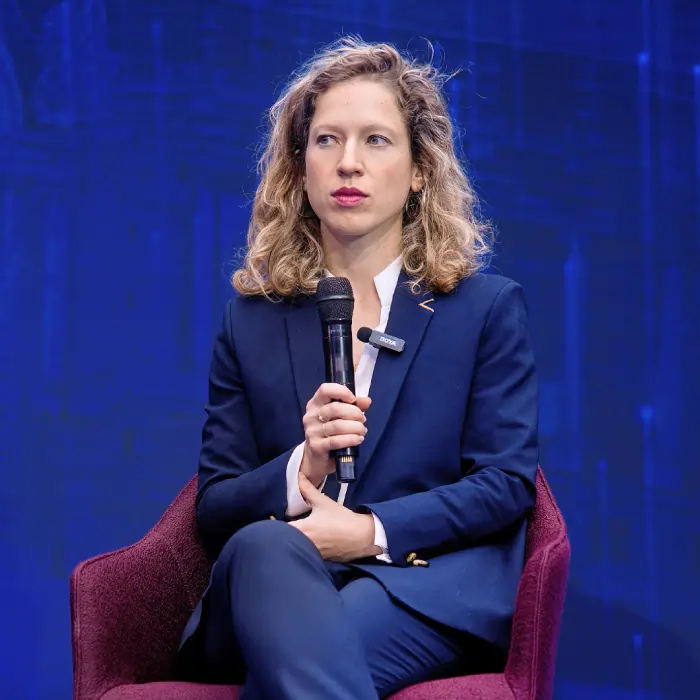
I am Dr Solène Vo Quang.
Every day, I explore what AI can bring to care, while remembering that the relationship with each patient remains our first therapeutic tool.
I provide care with rigour and transparency.



FAQ
bone grafting after dental extraction
Answer your questions
Is bone grafting useful even without implant project?

Yes, in some cases it preserves bone architecture for the stability of neighbouring teeth or a future prosthesis.
What is the link between bone grafting and general health?
Untreated infection or major bone loss after extraction may affect digestion, speech or sleep.
Can we associate bone and PRF in the same procedure?
Joint use is possible; It aims to optimize regeneration, according to individual needs and site quality.
How does the type of plugin used decide?
The choice depends on the volume to be rebuilt, medical contraindications and informed dialogue between patient and practitioner.