
Wisdom Tooth Coming Through: Symptoms, Pain and Care
Do you feel any discomfort in your mouth? A wisdom tooth that grows might be involved. Learn how to recognize signs, manage pain and know when to consult. Make an appointment now for a precise diagnosis.
Also check out our previous article: Having bad breath: Why? And how can this be addressed?
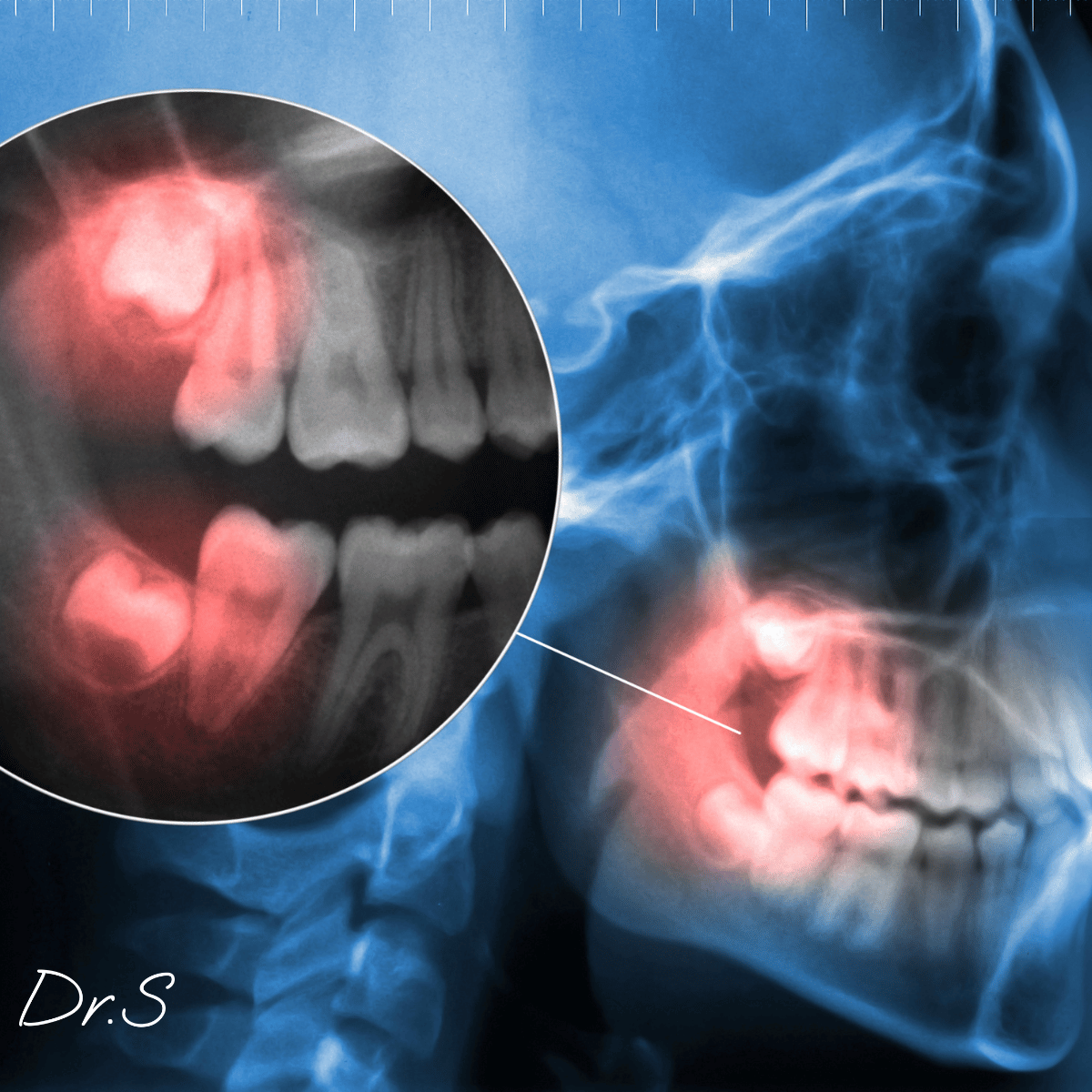
What is a wisdom tooth that grows?
A wisdom tooth that grows is one of the last molars to appear, often between the ages of 16 and 25. It can cause pain, swelling or discomfort depending on the space available and its position.
Common symptoms of a growing wisdom tooth
Oral pain and discomfort
Push often causes pain in the mouth, sometimes accompanied by red, swollen gums. A stiffness of the jaw or difficulty opening the mouth is also common.
Swelling and bleeding
Swelling of the cheek or gums may occur, sometimes accompanied by small bleeding. These signs usually indicate that the tooth pierces the gum.
Possible infections and complications
If the gum is partially covered, bacteria may house it and cause infection (pericoronitis), accompanied by fever, lymph nodes, or even abscesses.
Impact on other teeth
In some cases, the thrust may move neighbouring teeth, cause overlap or interfere with dental alignment. Control is essential to avoid orthodontic complications.
How long does the push last and how old does it appear?
The growing wisdom tooth usually appears between the ages of 17 and 25, but may occur later. The duration is variable, ranging from a few days of discomfort to several months, depending on the speed of eruption and available space.
How to relieve a wisdom tooth that grows?
Here's what you can do to calm the pain:
- Make warm salty or antiseptic mouth baths.
- Take paracetamol (respecting doses).
- Apply ice to the cheek.
- Avoid foods that are too hot, acidic or crisp.
- Consult a dentist quickly in case of intense pain or infection.
When to consult a specialist?
Check immediately if you have:
- An intense pain despite pain pain.
- A significant swelling of the cheek.
- A marked difficulty in opening the mouth.
- Fever or ganglia.
- A persistent bad breath.
an oral surgeon can assess the situation and decide whether to extract the tooth.
Prior to extraction
Extraction takes place:
- Under local anesthesia for a simple tooth.
- Under general anesthesia if several teeth are removed or included.
- With post-operative follow-up including rest, adapted diet and analgesics.
To make an appointment with Dr. Solene, expert in the wisdom tooth removal, go here:
Make an appointment with Dr Solène Vo Quang
Conclusion
The wisdom tooth that grows can be a source of pain and complications. Identify symptoms quickly, relieve pain and consult a dentist to avoid risks. Make an appointment for a personalized diagnosis.